
An In-Depth Analysis of Forging and Forging Equipment
The world of manufacturing is vast and ever-evolving, with numerous methods and techniques available to shape raw materials into useful products. Among these techniques, forging stands out for its efficiency, durability, and versatility. This article aims to delve into the intricate world of forging and forging equipment, providing detailed insights into their functions, types, and applications.
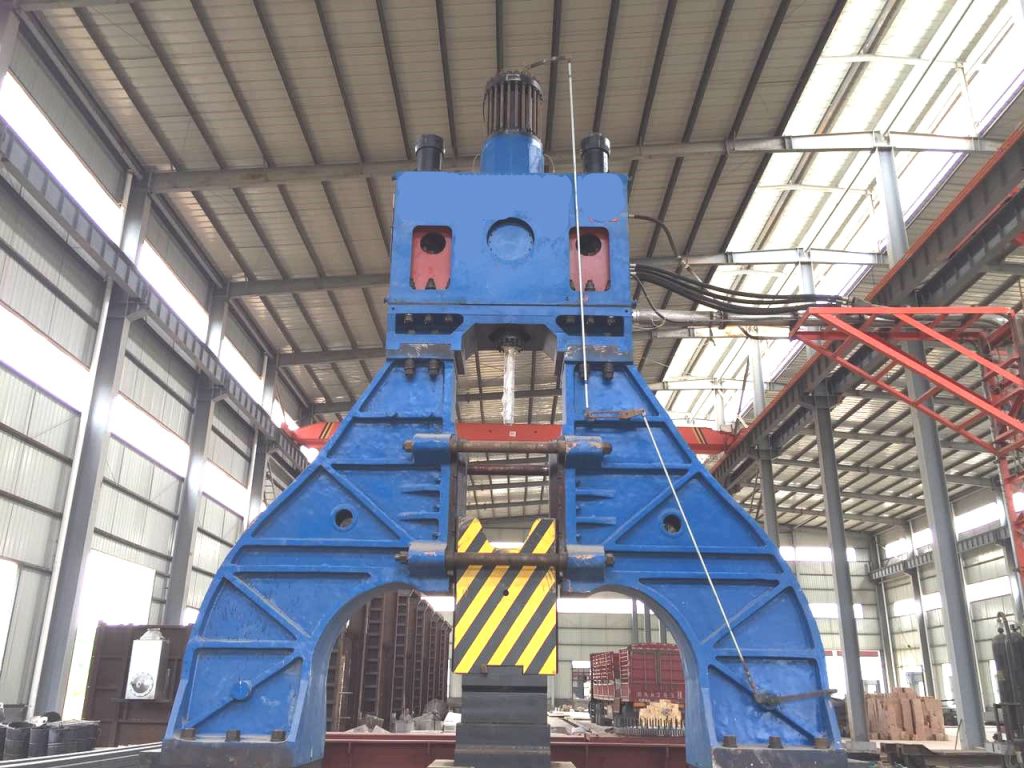
Forging is a manufacturing process involving the shaping of metal using localized compressive forces. The blows are delivered with either a power hammer or a die. It finds significant usage in industries such as construction, automotive, aerospace, and many more due to the high strength and dependability it lends to the products.
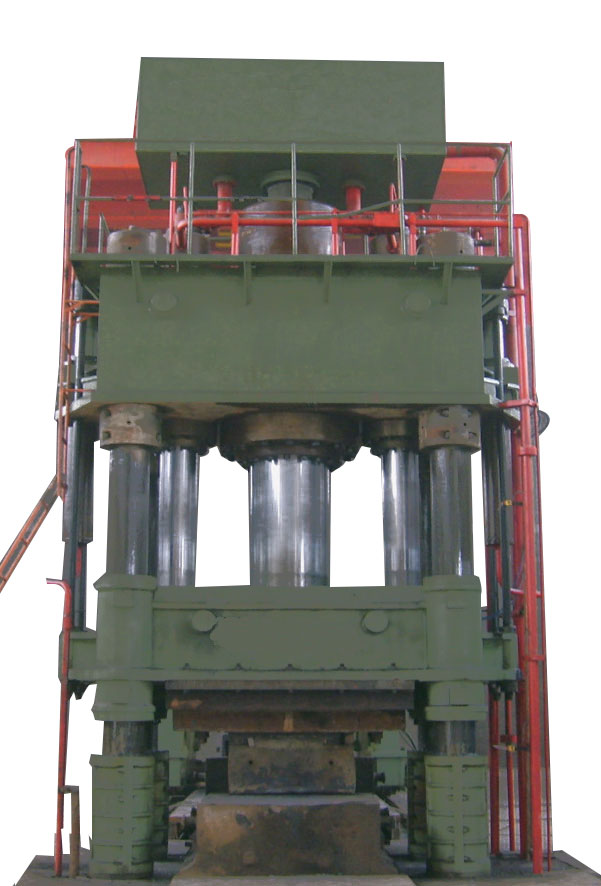
There are primarily three types of forging processes that are recognized globally: Open die forging, closed die forging, and roll forging.
- Open Die Forging: Also known as free forging, the metal piece is heated until it’s malleable. It’s deformed mechanically using a hammer or a press that strikes and manipulates the metal into the required shape.
- Closed Die Forging: This method involves two or more die containing precut profiles. The heated raw material is placed in the die, and a mechanical or hydraulic press compresses the material, causing it to flow and fill the die cavities.
- Roll Forging: Roll forging or roll forming is a forging technique that utilizes opposing pairs of rotating dies to produce shapes from heated round or square bars.
The choice of the forging process depends on the specifications of the desired product, the raw material in use, and the equipment available.
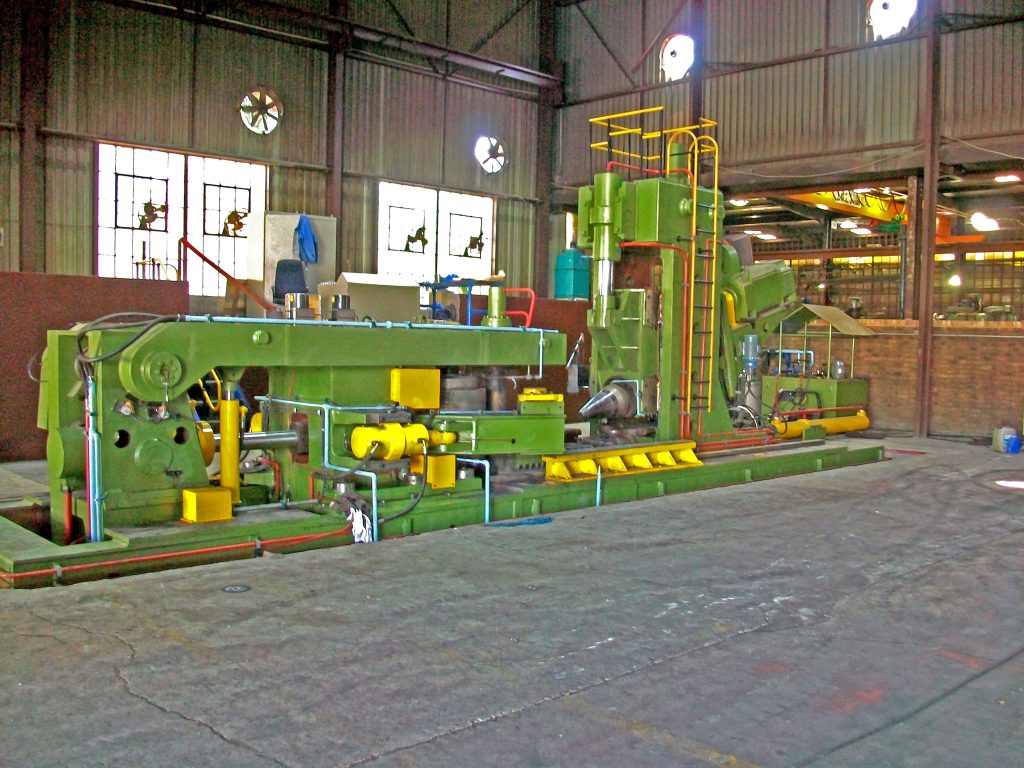
Forging Equipment forms the backbone of the forging industry. This machinery includes the following:
- Forging Press: A forging press, unlike a hammer, exerts a controlled pressure on the forging stock, offering a more precise shape and consistency.
- Power Hammer: Power hammers are typically used in open die forging. They provide the impact force necessary for metal deformation.
- Forging Rolls: Forging rolls are used in roll forging to shape the heated metal bars.
- Hydraulic Press: A hydraulic press uses hydraulic cylinders to generate a compressive force, which can be used in both open and closed die forging.
- Forging Furnace: These furnaces are used to heat the raw material to the required forging temperature.
Understanding and selecting the right equipment are crucial to ensuring the efficiency and quality of the forged product.
In model industry, forging and forging equipment play an instrumental role in many industries, contributing to the creation of durable, high-quality products. Their sheer versatility and potential for customization make them an invaluable asset in today’s manufacturing landscape.